
Approving Material Samples: Colour, Texture, Batch Variation
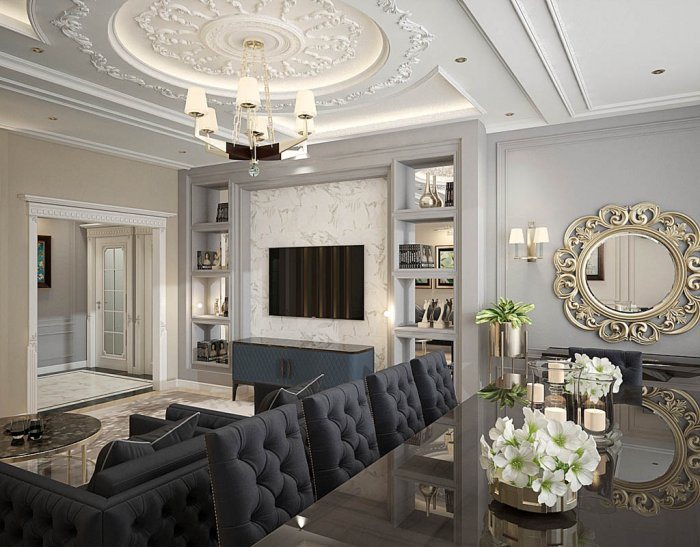
A material chosen on screen or from a catalogue can look different in real light, and batches vary in shade. We explain how to check samples and how to document approval.
A tile that looks warm beige in the catalogue can come across as a cool grey in the room. A colour chosen under a shop’s bright lighting turns into something else entirely in the evening light at home. Parquet from one batch can be a shade darker than another. These differences are not defects; they are the nature of materials. But seeing them before the renovation starts is far cheaper than tearing out tiles or repainting a wall later.
Why screens and catalogues are not enough
Screens display colour differently, and photos depend on lighting and camera settings. Catalogue printing does not fully convey a surface’s sheen, relief or depth either. Visualisation is an excellent tool for showing how a material works in a room, but the final colour decision should be made with a physical sample.
Some properties can also only be judged by touch: how rough a matt finish is, how a texture feels under the fingers, whether a surface picks up marks. Slip resistance for floors and ease of cleaning for a kitchen splashback are also checked on the sample.
When requesting a sample, confirm exactly which collection and surface finish it represents. Matt, polished and textured versions of the same colour look completely different in a room. Where possible, take two or three close options rather than one: comparing them makes the decision much easier.
How to look at a sample
Look at a sample in the room where it will be used, not in the shop. A few rules make the result reliable:
- check the sample at different times of day – morning, midday, evening;
- look at it under artificial light, ideally a lamp close in colour temperature to what you will use after the renovation;
- place the sample both horizontally and vertically, as the same material looks different on a floor and a wall;
- put it next to adjacent materials – cabinet fronts, doors, fabrics;
- be careful when judging a large surface from a small sample: a dark colour can look darker over a large area and a light one lighter.
Trial areas for big decisions
For finishes that depend on the application technique – wall paint, decorative plaster, microcement or special textures – a small sample is not enough. In these cases a trial area is prepared on site: on part of a wall or a separate board, using the real material, the real tradesperson and the real technique.
A trial area aligns the expectations of both client and tradesperson. Once approved, it becomes the reference for the whole surface. Where possible, it is kept until the work is finished or documented with photos noting the lighting conditions.
Batch, shade and calibre
Ceramic tiles, porcelain, natural stone, parquet and wallpaper are produced in batches. Batches under the same product code can differ in shade and sometimes in size – calibre. The packaging usually indicates this.
Practical rules:
- buy all material for one surface from the same batch;
- take the reserve quantity from the same batch;
- check batch numbers on the packaging when material arrives on site;
- before installation, open several boxes, lay the material side by side and compare shades.
In natural stone and some porcelain collections, variation in pattern and tone is part of the design. With such materials, tiles are dry-laid on the floor first so that noticeably different pieces can be placed where they will not stand out.
How to document approval
Sample approval should not end with a verbal “yes, this one”. A simple but useful record covers: manufacturer, collection, product code, colour code, batch number, the room and surface where it will be used, the approval date and a signature. The sample itself – a piece of tile, a colour card, a parquet board – is labelled and kept on site or by the client.
This reference is used for comparison when the material arrives and as evidence if a dispute arises. If a change becomes necessary – for example, the chosen collection is discontinued – the new sample is approved in the same way.
Quick checklist
- View samples in the room under different lighting.
- Ask for a trial area for technique-dependent finishes.
- Buy material from one batch, including the reserve.
- Check batch numbers on delivery and mix boxes during installation.
- Record approval in writing with product code, colour code and batch.
- Keep the reference sample until the work is complete.
Zaferoğlu İnşaat helps choose combinations of materials and colour palettes at the design stage and presents solutions through sketches and computer models. Contact us to check your material choices with samples on site.
News