
Wood Slat Wall Panels: Acoustics, Installation and Care
Slat panels bring warmth and rhythm to an interior and, when installed correctly, improve room acoustics. Where the acoustic effect comes from, how to fit them and care.
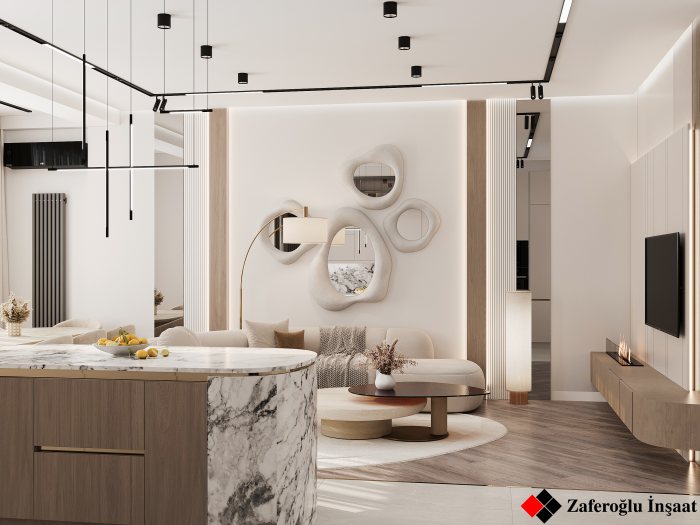
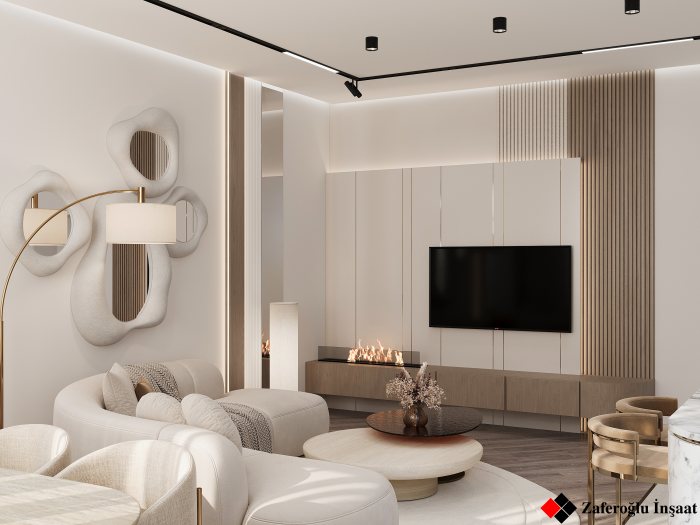
Vertical wooden slats have become a familiar sight on TV walls, bed headboards, office meeting rooms and restaurants. They add warmth and rhythm and make a room feel taller. On top of that, slat panels are often sold as “acoustic”. To understand when that label is justified, it helps to look at how the panel works.
Where the acoustic effect comes from
Wood itself is a hard surface that reflects sound. The main reason a slat panel absorbs sound is the material behind the slats — usually acoustic felt, or mineral wool placed between panel and wall. Sound waves pass through the gaps between the slats and lose energy in this porous layer.
That is why several factors determine the result:
- the width of the gaps between slats: the wider the gaps, the more the absorbent layer can work;
- the thickness and material of the backing layer;
- whether there is an additional air gap or insulation between panel and wall;
- the ratio of panel area to the total surface area of the room.
Gluing slats straight onto a wall without a backing layer gives a decorative effect but does almost nothing for acoustics. It is also worth being clear that these panels reduce echo and reverberation; they do not stop sound coming from the next room — sound insulation is a separate matter.
Solid wood, veneer or MDF
Slats are made from different materials, and the choice affects both appearance and durability. Solid wood slats have natural texture and depth and can be sanded and restored if damaged. Solid timber is, however, more sensitive to changes in humidity: in the dry season the gaps between slats may widen slightly, and a slat can occasionally bow a little.
Veneered slats have a core of MDF or another wood-based material with a thin layer of real wood on top. This gives a more stable shape and a more uniform look within one batch. A deep knock, though, can go through the veneer and is hard to repair.
Painted or foil-wrapped MDF slats offer freedom in colour and are an economical option. Their edges are vulnerable to impact, so care is needed in places that get touched often, such as hallways. Whatever the material, all panels for one wall should come from the same batch.
Where they help most
In rooms with hard surfaces, few textiles and high ceilings, sound keeps bouncing around for a long time. In such spaces slat panels can noticeably improve speech clarity:
- open-plan living rooms and kitchens;
- home cinemas and TV areas;
- office meeting and video-call rooms;
- dining areas of cafés and restaurants.
Acoustically, it is more effective to spread panels across opposite surfaces where possible rather than concentrating them all on one wall.
Installation: battens, adhesive or screws
Ready-made acoustic slat panels usually come with a felt backing and are screwed to the wall or to timber battens. Mounting on battens has the advantage of creating a cavity behind the panel that can be filled with mineral wool. This both improves the acoustic effect and evens out a crooked wall.
Before installation, keep a few points in mind:
- timber and wood-based materials need to acclimatise to the room’s temperature and humidity, unpacked for the period the manufacturer recommends;
- wall cables, sockets and TV fixings are planned beforehand;
- socket cut-outs are positioned to follow the slat rhythm so that no slat is cut in half;
- a small expansion gap is left at the ceiling and floor junctions.
Integrating lighting and equipment
LED strips can be fitted between slats or behind the panel, along with concealed cable channels and solid fixing points for a TV. These decisions must be made before installation: opening up a finished panel later to run cables is both difficult and untidy. A line of light emphasises the relief of the slats, but very bright light also reveals minor unevenness.
Care and durability
The main care for slat panels is dusting: a vacuum with a soft brush attachment or a dry microfibre cloth is enough. Damp cloths should not be used, especially on the felt. Under direct sunlight natural wood and veneer can change tone over time, so replacing some panels separately from the rest will leave a colour difference.
Standard slat panels are not used in wet rooms or bathrooms. In commercial spaces, the material’s fire safety class must match the requirements of the project.
In the design of offices and food-service venues, Zaferoğlu İnşaat plans wall panels together with acoustics, lighting and the furniture layout. Tell us when the echo bothers you most, and we can suggest how much slatted panelling is needed and where.
News