
Choosing a Pool Shape: Rectangular, Free-Form or Lap
Rectangular, free-form and long lap pools compared by purpose, garden size, house architecture, depth zones, covers and maintenance.
A pool’s shape looks like a matter of taste at first, but it determines how the pool will be used, how the rest of the garden is laid out and even which equipment and covers can be used. The three most discussed options are the classic rectangle, the free-form pool and the long, narrow lap pool. Before choosing one, you need to answer a simple question: what will you do in the pool?
Function shapes the form
Someone who wants to swim for exercise needs a length they can swim in a straight line without constantly turning. For playing with children and cooling off, a wide shallow area, seating and comfortable steps matter more. If the pool will mainly be a visual focal point, the shape is chosen to suit the landscape and the architecture of the house.
Often a family wants all of these. In that case the shape can combine several zones: for example, a long pool with a wide shallow seating area at one end, or a small children’s pool joined to a main rectangular one.
Rectangular pools: classic and flexible
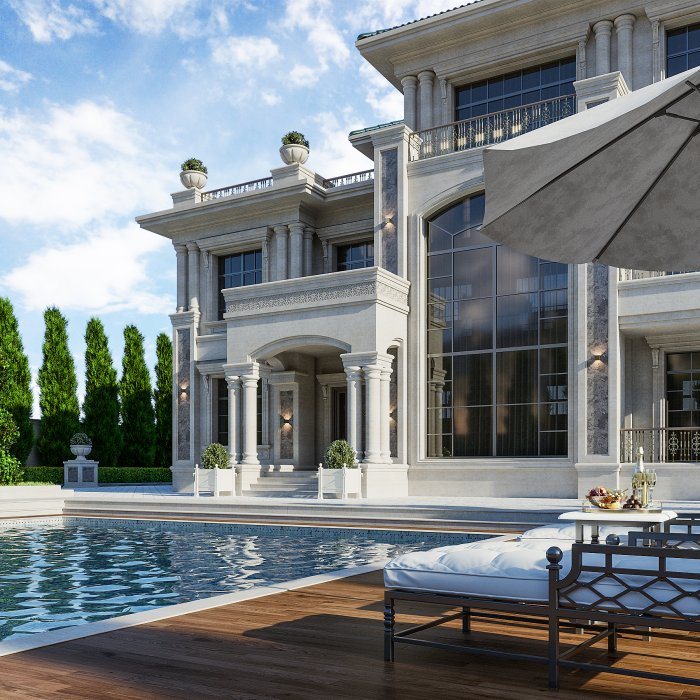
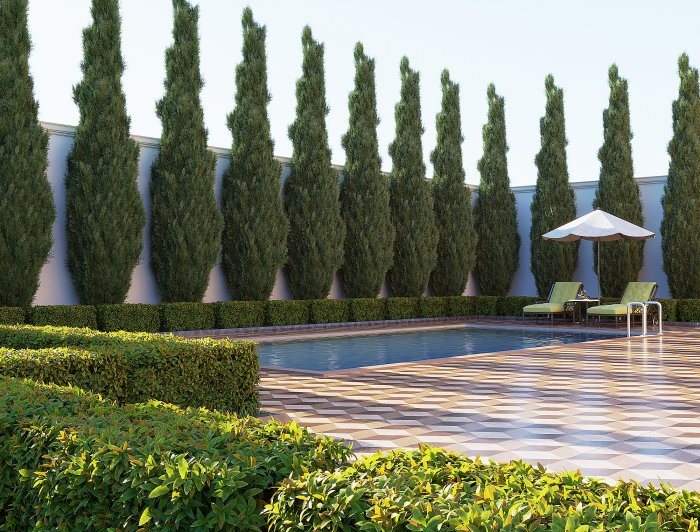
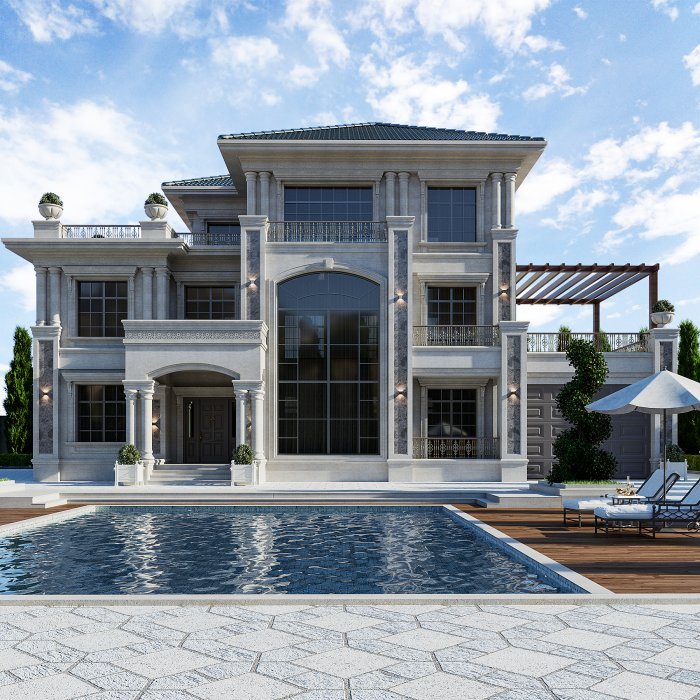
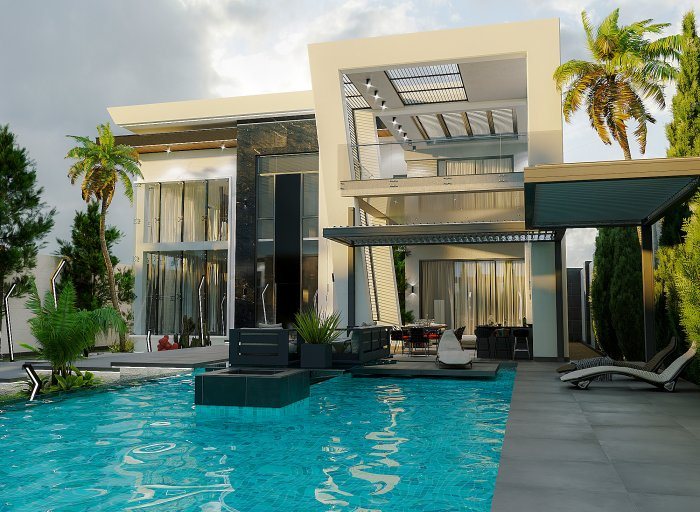
A rectangle suits both modern and classical architecture equally well. Its straight lines connect easily with the façade, terrace and paths and create tidy geometry in the garden plan.
It also has many practical advantages:
- automatic and slatted covers are easy to fit to a straight shape;
- tiles can be laid with few cuts;
- the length is used efficiently for swimming;
- overflow systems and edge details are simpler to build.
A rectangular pool can still be varied: wide steps in one corner, an in-water bench, a shallow sun shelf or a sunken seating area on one side increase functionality while keeping the shape simple.
Free-form pools: for natural landscapes
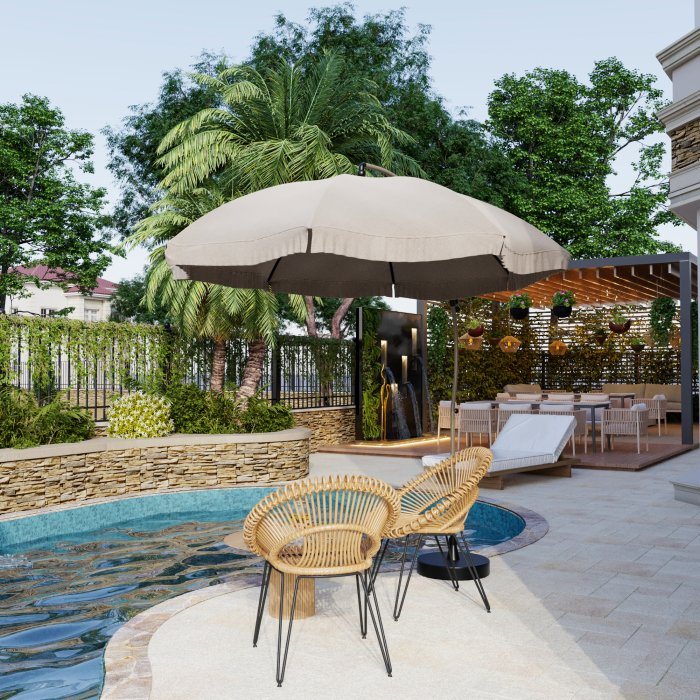
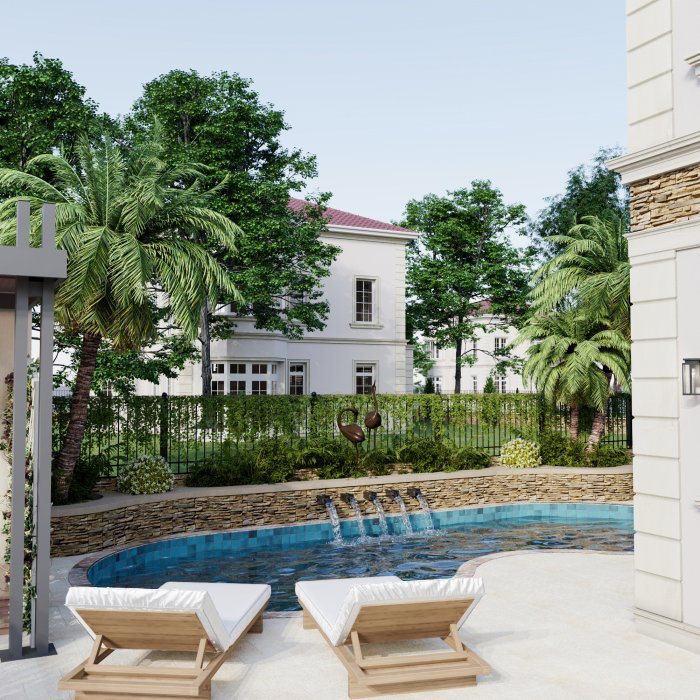
A curved, free-form pool looks more organic in gardens with natural landscaping, rocks or lush planting. It can follow existing trees, level changes and irregular boundaries more easily. Sunken seating, planted islands and waterfalls fit naturally into such a shape.
Free forms have limits too. Automatic covers cannot fully close them, so custom covers are needed. Mosaic is usually chosen for the finish, because large tiles on curved surfaces require many cuts. Circulation can weaken in curved corners and narrow sections, so inlet positions must be planned carefully. And there is often no long straight section for swimming.
Long narrow pools: a lap lane
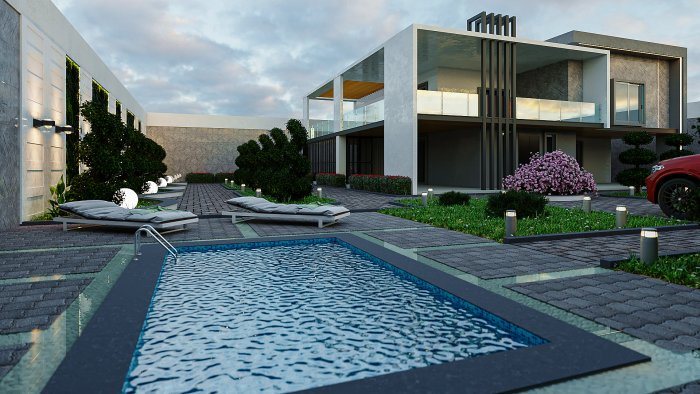
A long, narrow pool is ideal for narrow, deep gardens or for running along a boundary. It allows exercise swimming while taking up little width. Visually it creates a strong architectural line and often runs along one side of the house.
In a lap pool, depth is usually kept uniform so the swimmer can swim comfortably along the whole length. Steps or a shallow area go at one end and a solid wall for turning at the other. If the width is too narrow, the pool becomes awkward for playing and group use. Greater length also increases water volume and therefore equipment size.
Depth, steps and safety
When choosing a shape, depth zones are shown on the same plan. The transition between shallow and deep parts should be gradual, and depths marked on the coping or finish. Step position follows the shape: in a corner or across the full width of a rectangle, within a curve of a free-form pool.
If depth for diving is required, this significantly changes the choice of shape and size and must be checked separately against safety requirements.
Questions to decide
- Will you mainly swim, play or relax in the pool?
- What lines do the garden’s shape and the house’s architecture call for?
- Is an automatic cover important to you?
- Do you need a shallow area for children?
- What type of finish do you want?
Zaferoğlu İnşaat sketches and models pool shapes alongside the architecture of the house, so you can compare them in context. If you would like to see different pool shapes in your own garden, contact us.
News