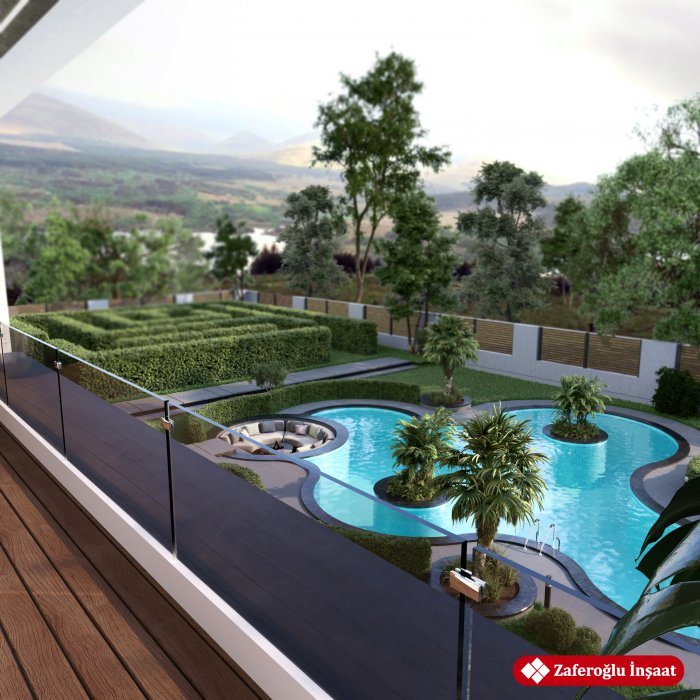

Preparing and Protecting a Pool for Winter
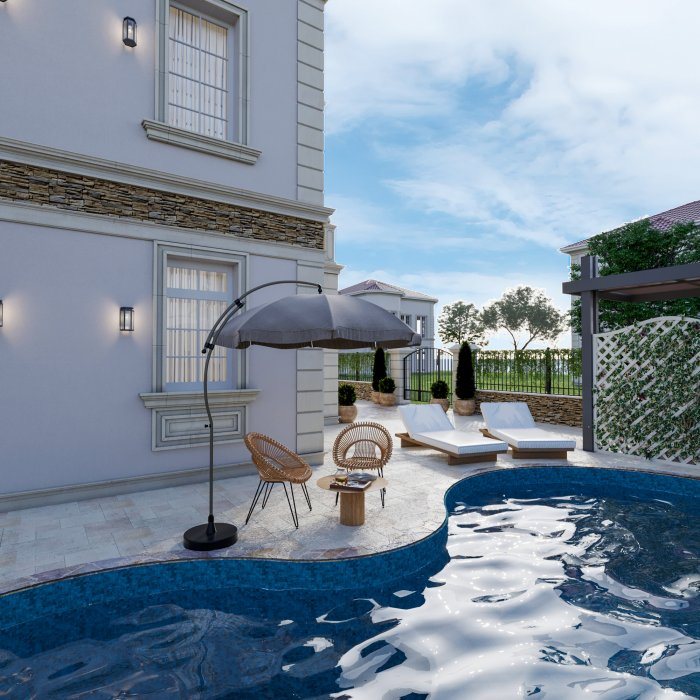
Fully draining an unused pool for winter is often a mistake. With the right water level, equipment care, chemistry and cover, spring means a simple start-up rather than repairs.
The worst thing that happens to many pools at the end of autumn is not neglect but the wrong kind of care. Some owners drain the pool completely because the water will go bad over winter; others simply pull a cover over it and wait for spring. Both approaches can end in April with cracked finishes, green water or a pump that will not start. Winterising a pool involves a handful of simple jobs, but the order matters.
Drain it or keep the water
When a concrete pool shell is full, the water pushes outward on the walls and partly balances the pressure of the surrounding soil. Empty the pool and that balance is gone. On plots with a high water table, an empty shell can be pushed up from below, finishes can debond and cracks can open along mosaic joints. Composite and liner pools are even more vulnerable, because the water is what holds their shape.
So in normal circumstances the water stays in and only the level is lowered. A full drain is reserved for planned major repairs, and only after a specialist has checked the groundwater situation.
Water level and pipework
Where frost is possible, the water is lowered slightly below the skimmer mouth so that ice cannot form inside the skimmer body and split it. In an overflow pool, the balance tank level is taken into account instead. Then the following is done:
- lines to the skimmers, return inlets and main drain are drained or blown through with air;
- winter plugs are fitted to the pipe openings;
- an expansion device that absorbs ice pressure is placed in each skimmer;
- cable glands and seals on pool lights are checked.
In regions with mild winters some owners keep the system running for a short time each day. Moving water lowers the risk of pipes freezing, but the pump schedule and electrical safety must be checked.
Protecting the equipment
Water left in the plant room is the weakest point. Drain plugs on the pump housing are opened, the sand filter is backwashed and drained, and the valve is set to its winter position. Cartridges are removed from cartridge filters, rinsed and stored dry. If the system has a heater or heat pump, the manufacturer's winterising instructions are followed, since water left in a heat exchanger can ruin it when it freezes.
Chlorine dosing units, salt cells and measuring probes need attention too: probes are usually removed and kept in storage solution. If moisture builds up in the plant room itself, ventilation and the electrical panel should be checked before winter.
Water chemistry and cleaning
Before closing, the walls and floor are brushed and leaves and sediment are vacuumed out. After testing, the pH is brought into the normal range and the pool is shock-chlorinated. Algaecides intended for winterising can be used, but strictly at the dose given on the label. A pool closed with dirty water needs more chemicals and a longer clean-up in spring.
Covers and safety
A winter cover keeps out leaves, dust and sunlight and slows algae growth. When choosing one, check that:
- it is made to fit the pool and is firmly anchored at the edges;
- rainwater collecting on top is removed through drain holes or a small pump, otherwise its weight tears out the fixings;
- in gardens with children or pets, a tensioned safety cover or a fence is preferred, because a simple tarpaulin will not hold anyone who falls onto it.
Checking through the winter
A closed pool should not be forgotten. After storms, check the cover, any change in water level and signs of leaks in the plant room. A water level that drops unexpectedly is often the first sign of a leak and should be investigated before spring.
Opening the pool in spring reverses the sequence. First, water and leaves are cleared from the cover so the dirt does not fall into the pool. Then the winter plugs come out, the pump and filter are reassembled and every joint in the plant room is checked for leaks. The water is topped up to its normal level, filtration runs continuously for a few days and only then is the chemistry tested again. Any cracks or debonding that appeared in the finish over winter should be noted before you start heating the water.
Zaferoğlu İnşaat presents pool projects as a separate section of its portfolio; when the plant room and pipe runs are planned at the design stage, winterising becomes much simpler. If you know how deep the pool pipes run underground, we can draw up a winterising plan around that.
News