
Curtain Fabrics: Velvet, Linen, Blackout and Synthetics
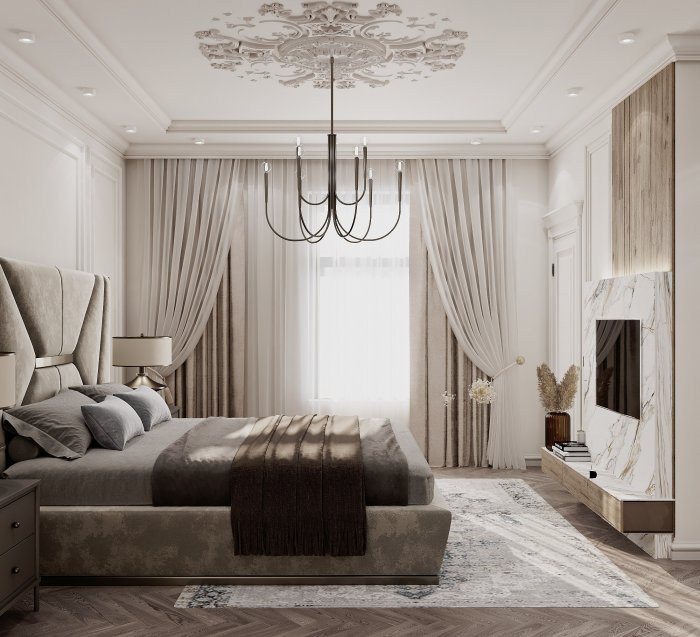
Velvet brings depth and weight, linen natural texture, blackout light control and synthetics easy care. The right choice depends on the room's light and how much care you will give.
When looking at fabric samples in a showroom, people usually choose by colour and feel. Yet two fabrics of the same colour can behave completely differently at a window: one fades in the sun within a year or two, another shrinks after washing, a third drapes beautifully in heavy folds but overloads the track. Fibre content and weave determine how a curtain hangs, how it is washed and how long it lasts.
Velvet
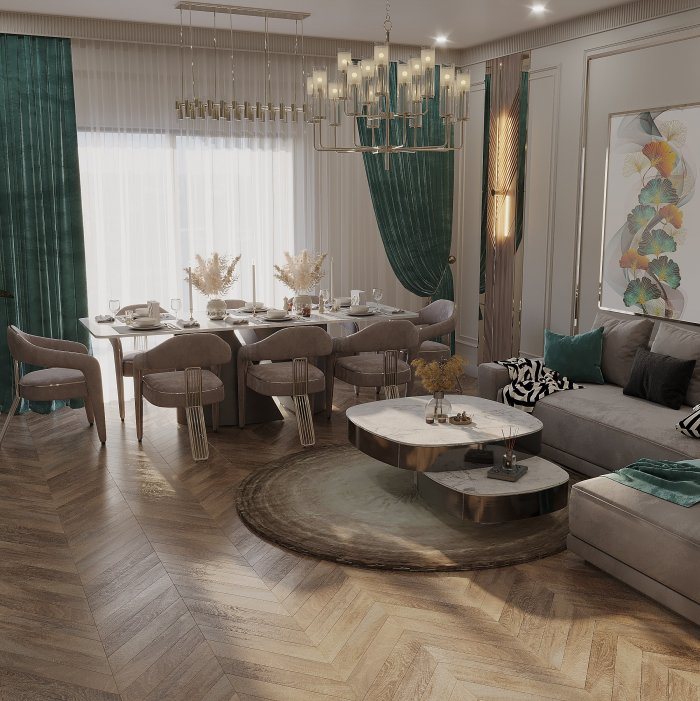
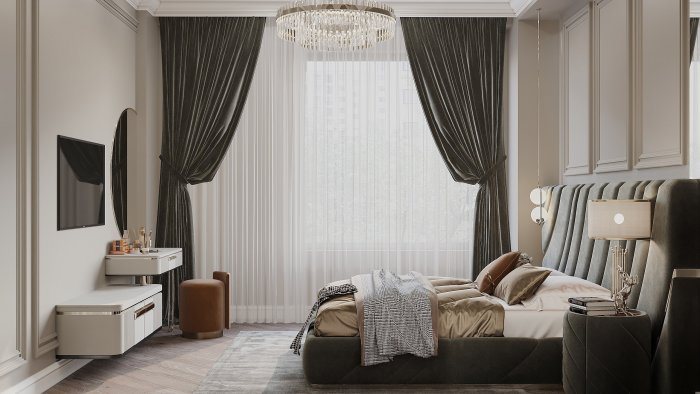
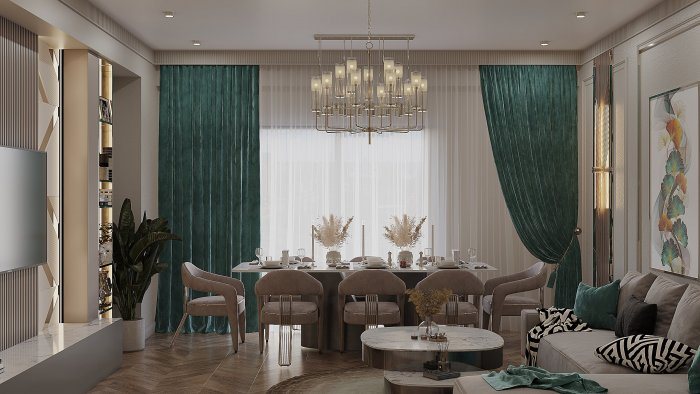
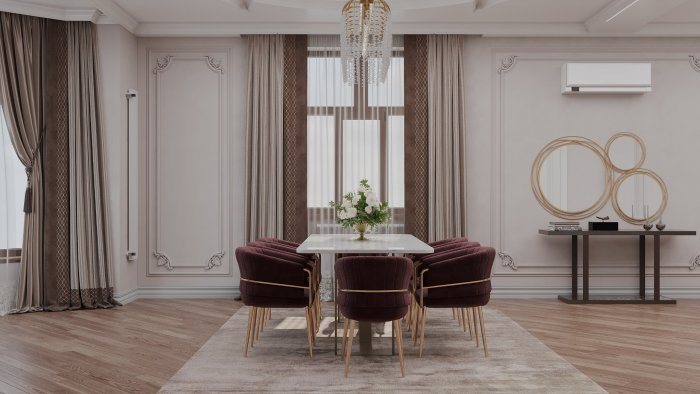
Velvet is a fabric with a dense pile on its surface. Because the pile reflects light at different angles, colour looks deep and rich, and the folds create a play of light and shadow. Velvet curtains are heavy, hang straight and full, and absorb a good deal of light and sound.
Points to consider:
- its weight requires a sturdy track and fixings;
- the pile collects dust, so it is cleaned regularly with a soft brush or vacuum attachment;
- many velvets cannot be washed at home and need dry cleaning;
- on windows with direct sun, dark saturated colours fade over time; a lining slows this down.
Velvet is widely used in classic and neoclassical interiors, living rooms and bedrooms.
Linen
Linen is woven from natural fibre and has a characteristic slub texture and a slight sheen. It diffuses light softly and gives an interior a calm, natural look. Linen curtains are popular in modern, Scandinavian and rustic styles.
Some properties of linen should be known before choosing it. It creases easily, and those creases are considered part of its natural character. Pure linen can shrink on first wash, so ask whether the fabric has been pre-treated before it is sewn. Linen-polyester blends crease less and hold their size better.
Blackout fabrics
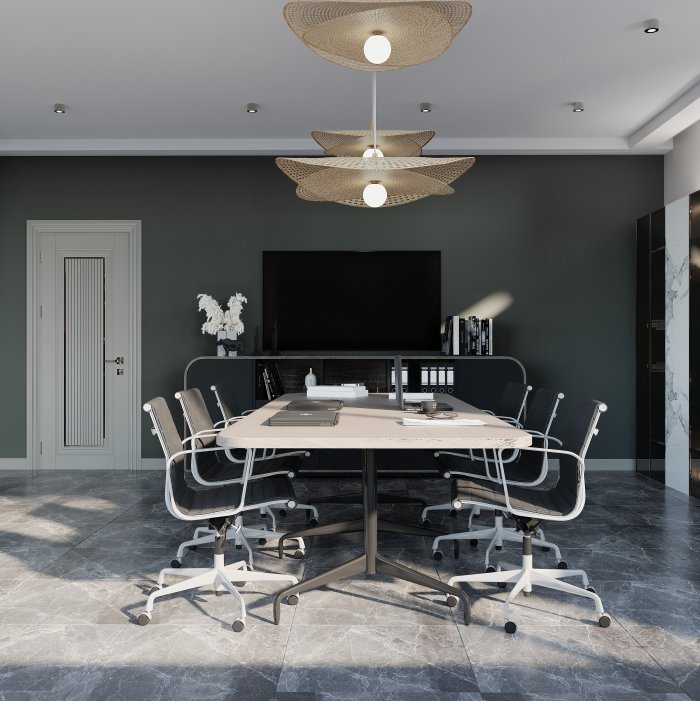
Blackout fabric does not let light through. The effect is achieved in different ways: a multi-layer weave, a dark coating applied to the back, or a separate blackout lining. Blackout is chosen for bedrooms, home cinemas and rooms that get a lot of sun.
A few important nuances:
- fabrics labelled dimout reduce light significantly but do not give full darkness;
- some coated blackout fabrics are prone to the coating cracking when folded or washed;
- for full darkness, light leaking around the edges must be dealt with as well as the fabric itself;
- choosing a separate lining lets you keep a face fabric in any colour and texture.
Synthetic and blended fabrics
Polyester and its blends make up a large share of today's curtains. They crease little, hold their size, fade later in sunlight than natural fibres and stand up better to home washing. Most sheers are made from polyester.
Synthetics now imitate the look of linen, silk and velvet very convincingly. Their drawbacks can be a cooler feel and attracting dust through static. In public and commercial spaces, flame-retardant synthetic fabrics with the appropriate certification may be required.
Silk, cotton and other options
Natural silk looks luxurious with its distinctive sheen, but it is very sensitive to sunlight and deteriorates quickly on an unlined window. Cotton is soft, comfortable and relatively simple, though shrinkage and fading should be considered. In jacquard fabrics the pattern is created by the weave itself, giving a rich look in classic interiors.
The role of lining is often underestimated. A simple cotton or polyester lining protects the face fabric from the sun, adds weight so the curtain hangs straighter and makes every window look the same colour from outside. Thermal linings also reduce some of the cold coming from the window in winter. When adding a lining, the shrinkage behaviour of both fabrics must match, otherwise the edges can pucker after washing. Sometimes the lining is not sewn to the face fabric but hung and washed separately, which makes care easier.
Checklist for choosing
- How much direct sun does the window get during the day?
- Will the curtains be washed at home or dry-cleaned?
- How much light needs to be controlled: diffused, reduced or fully blocked?
- Can the track carry the weight of the fabric?
- Have you checked the shrinkage risk and care label?
- Have you seen the sample against the window in daylight?
Pərdə Zaferoğlu presents a wide range of fabrics and colours in one place. Holding velvet, linen and blackout side by side against window light settles the choice in a few minutes.
News