

Vinyl Flooring (SPC, LVT): Where It Makes Sense
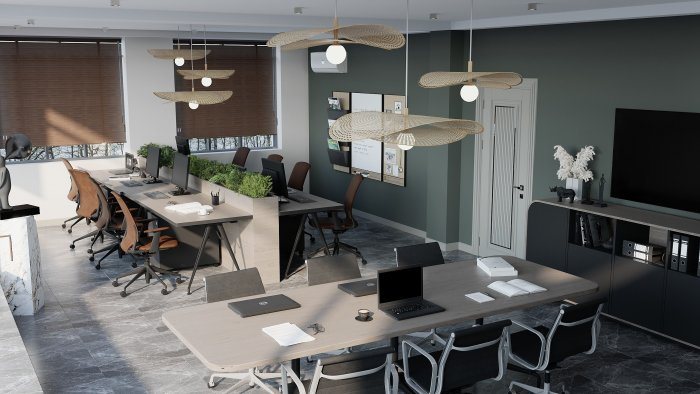
How SPC and LVT vinyl floors are built, how they differ, how they handle water and load, where they suit, what base they need and how to choose.
Vinyl flooring has become a popular alternative to laminate and tile in recent years. Its appeal lies in water resistance, a slim profile and a convincing imitation of wood or stone. But very different products are sold under the name "vinyl", and not all of them suit every space. Before choosing, it helps to understand the difference between SPC and LVT and the real limitations of vinyl.
How vinyl flooring is built
Modern vinyl consists of several layers. On top is a clear wear layer, which largely determines how well the floor resists wear. Beneath it is the decor layer that gives the look of wood, stone or concrete, and below that a core that stabilises the plank.
LVT (luxury vinyl tile) is a more flexible, thinner material. It is either glued down or supplied as click-lock planks. SPC has a rigid core made from a mix of stone powder and PVC. Thanks to this rigid core, SPC moves less with temperature and telegraphs minor base defects less.
Strengths of vinyl
Vinyl is water-resistant: the plank itself does not swell with moisture, which is the main difference from laminate. Even so, water can get through the joints and reach the base, so vinyl is a water-resistant covering, not a waterproof floor system.
Other advantages:
- it feels warmer and softer underfoot than tile;
- footstep noise is usually quieter than with laminate;
- being thin, it can be laid over old, sound tiles, so doors rarely need trimming;
- many products are compatible with underfloor heating;
- installation is faster and cleaner than tiling.
Where it suits
Vinyl works well in bedrooms, children's rooms, hallways, kitchens and offices. In a kitchen, splashes and spills do not damage it the way they damage laminate. In offices and small commercial spaces, models with a heavy-duty wear layer stand up to chair castors and daily foot traffic.
In rental apartments and spaces that need a quick refresh, vinyl is a practical choice: laying it over the existing floor without demolition saves time and waste. Replacing a damaged click plank is also relatively simple: the rows from the nearest wall are lifted and a new plank fitted, while with glue-down LVT only the damaged tile is removed. Keeping a few spare planks after the renovation makes this easy.
Where to be cautious
Vinyl is not for everywhere. In these situations choose a specific product carefully or consider another material:
- in front of large glazing with direct sun, flexible LVT can expand in hot weather; SPC is more stable, but the manufacturer's temperature limits must still be checked;
- open terraces and unheated spaces are generally not intended for vinyl;
- in constantly wet areas such as a walk-in shower, vinyl does not replace waterproofing;
- heavy furniture and equipment can leave dents in flexible vinyl;
- rubber-footed items and some rug underlays can cause discolouration.
In a long-term family home, especially with a classic interior, vinyl does not always visually replace real wood or stone. The look may be close, but the difference in touch and sound is noticeable.
Base requirements
Because it is thin, vinyl is one of the finishes most sensitive to base preparation. Under glued LVT, every grain of sand and every dip in the screed eventually shows through. Click SPC is more forgiving, but the flatness tolerance given by the manufacturer still must not be exceeded.
The base must be dry, clean and sound. When laying over old tiles, wide grout joints are filled and smoothed, otherwise their lines may show through the planks. On concrete, moisture is checked and a vapour barrier added if needed.
What to check when choosing
When looking at samples in a showroom, ask about the technical data as well as the decor:
- wear layer thickness and use class (domestic or commercial);
- SPC or LVT, click-lock or glue-down;
- whether an underlay is pre-attached to the plank;
- underfloor heating compatibility and temperature limits;
- whether matching skirting and transition profiles are available in the same collection.
In its renovation projects Zaferoğlu İnşaat helps choose floor finishes to suit how each room is used and the style of the interior. We can weigh up with you whether vinyl makes more sense than laminate or tile in your rooms.
News