
Mistakes to Avoid When Choosing Floor Coverings
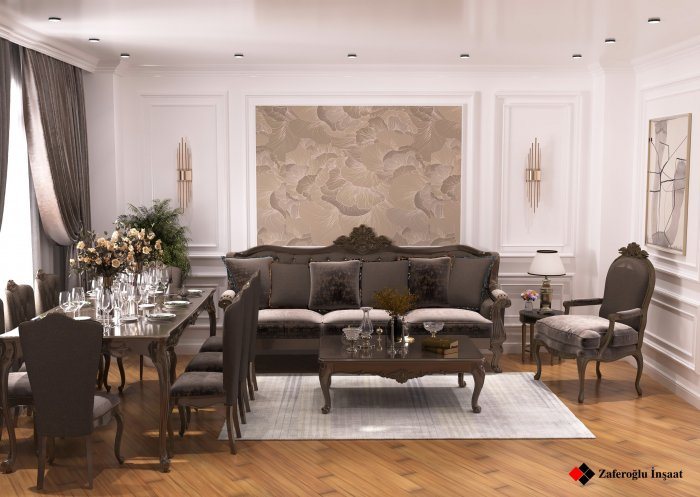
The most common mistakes when choosing a floor: trusting a small sample and ignoring how the room is used, the base, the light and future care.
The floor is one of the hardest and most disruptive surfaces to change after a renovation. Repainting a wall takes a few days; replacing a floor means emptying the room, demolition, dusty work and reinstallation. Even so, floors are often chosen in a hurry, from a small sample in a showroom. Below are the mistakes that come up most often, and how to avoid them.
Trusting a small sample and showroom lighting
A single plank or tile held in your hand does not show how a floor will look over a large area. Wood-look finishes have repeating patterns, stone-look tiles vary in colour, and these differences only appear across a whole room.
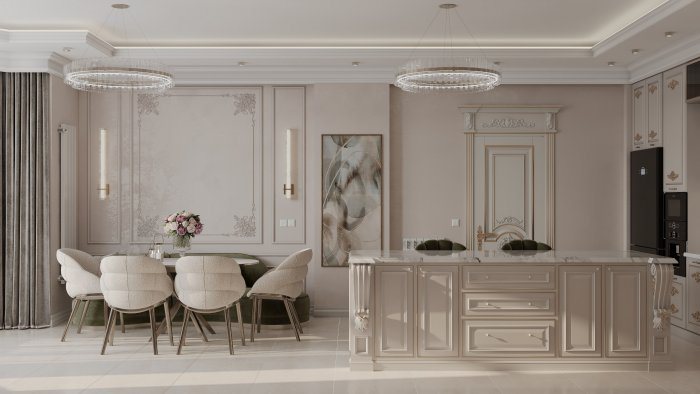
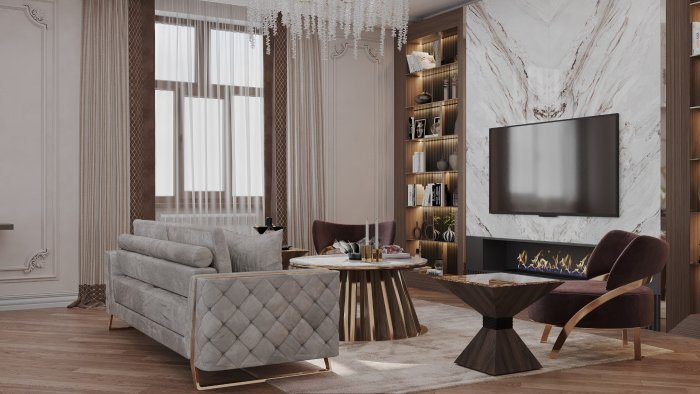
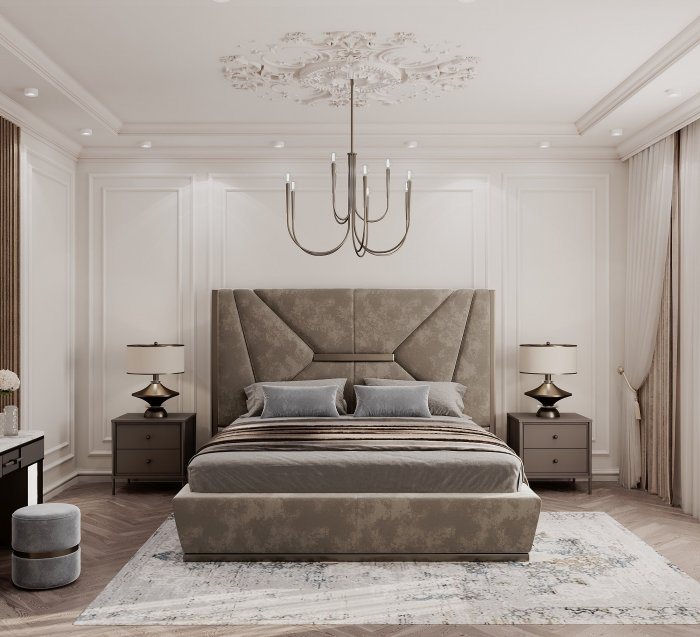
Lighting matters a great deal too. Under store spotlights a board may look warm, yet at home it can turn greyish in a north-facing room or take on a yellow cast in strong sun. The right approach is to take several samples home and look at them in the room's own light, by day and in the evening, next to the wall colour and furniture samples.
Ignoring how the room will be used
Every room has its own level of wear. A finish that is fine for a bedroom can wear quickly in a hallway or kitchen. Before choosing, it helps to answer:
- how many people pass through the room, and how often;
- is there direct access from outside;
- are there pets, wheeled chairs or children's toys in the home;
- how much spilled water and wet mopping will there be;
- will the room have underfloor heating.
For laminate and vinyl, the use class; for parquet, the hardness of the wood species; for tiles, the abrasion rating are the technical expression of the answers. Choosing by decor alone without asking about these ratings leads to regret later.
Forgetting moisture and temperature
Most timber-based finishes are sensitive to moisture. In kitchens, entrances, by the bathroom door or in front of a door to a terrace, ordinary laminate can swell from spills and wet shoes. In these areas it is safer to choose a water-resistant material or separate the zone with tiles.
Direct sun through large glazing is also a factor. Some finishes change colour, others expand in the heat. If there is underfloor heating, compatibility and the maximum surface temperature must be checked.
Overlooking the base and thickness
What will be underneath is often forgotten when choosing a finish. Screed flatness, dryness and strength requirements differ from one finish to another. Thin vinyl shows every defect in the base, large-format tiles are very sensitive to flatness, and solid parquet to screed moisture.
Thickness is a separate issue. When finishes of different thickness are chosen for different rooms, level differences appear at the doors. If the new floor goes over an old one, door bottoms will need trimming, and the swing of the entrance door and the height of the skirting must be checked.
Not asking about maintenance
The question least often asked in a showroom is: how will I clean this? Yet:
- oiled parquet needs a special cleaner and periodic re-oiling;
- light grout joints get dirty quickly;
- glossy surfaces show every mark and speck of dust;
- heavily textured tiles and deeply brushed timber release dirt reluctantly;
- some stones are damaged by acidic cleaners.
Being honest about how much time the household spends cleaning is half of a good choice. For a family that entertains often and keeps pets, for example, a matt, mid-tone floor with a small-scale pattern is far less tiring to live with.
Buying no spare material and ignoring batches
When material is bought exactly to the measured area, nothing is left for cutting waste, a broken tile or a damaged plank. Material bought later comes from a different batch and may differ in shade. That is why the allowance should be calculated with the installer according to the laying pattern, all material bought from one batch, and a few packs kept as spares after the work.
Checking batch numbers on the boxes and opening several boxes to compare shades before laying also catches a problem while it can still be fixed.
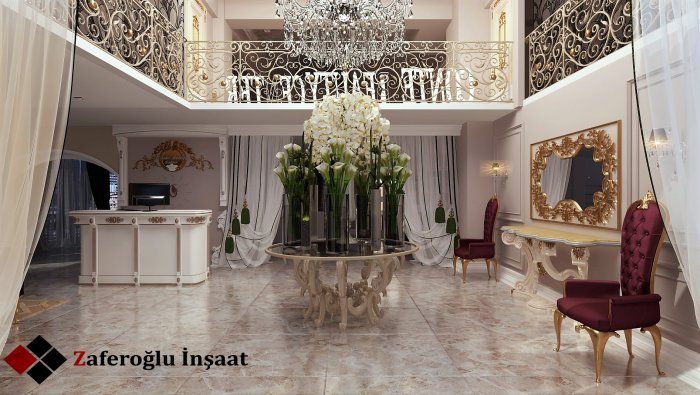
In its design projects Zaferoğlu İnşaat selects floor finishes to suit each room's use, light and colour scheme, and shows them in a computer model. If you have brought samples home from the shop, we can judge them with you in the room's own light.
News