

News
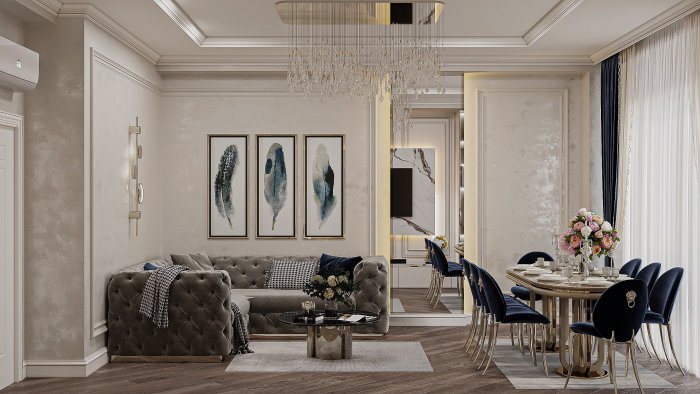
Mirrors in Interiors: Expanding Space and Spreading Light
Placed well, a mirror enlarges a room and carries daylight deeper inside; placed badly, it doubles the clutter. Guidance on position, size, fixing and care.
Read more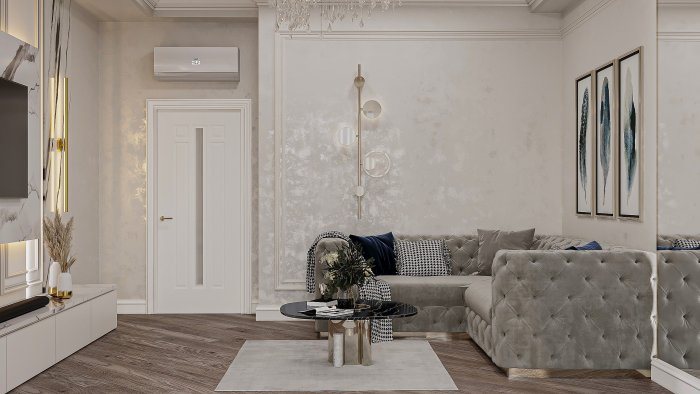
Combining Materials in Interiors: Stone, Wood, Metal, Fabric
When stone, wood, metal and fabric work together, a space looks rich yet calm. Principles of tone, texture, scale and repetition for combining materials in an interior.
Read more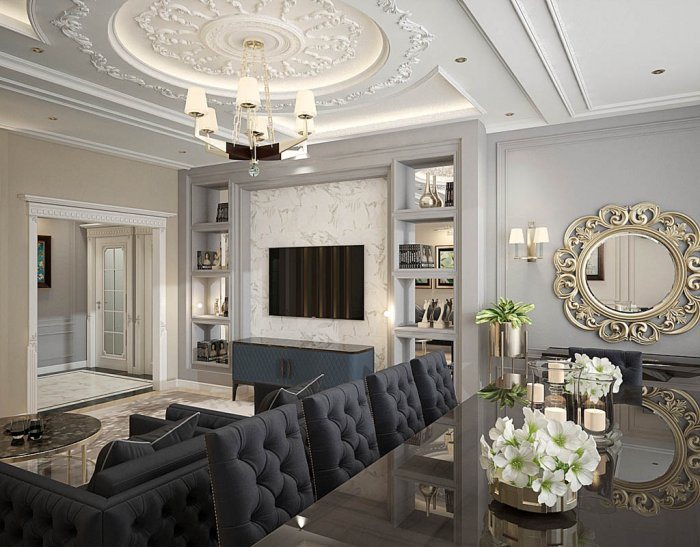
Living Room Layout: Seating, Circulation and Focal Point
A comfortable living room starts with a focal point, a well-arranged seating group and clear circulation. Conversation distance, lighting, sockets and rug size are part of the plan too.
Read more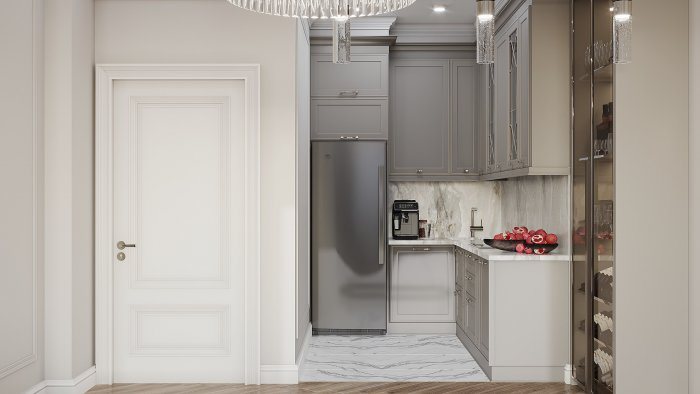
Dining Rooms and Dining Areas: Dimensions, Light, Acoustics
A comfortable dining area depends on table size, the space left behind chairs, the light over the table and the room’s acoustics. Key dimensions and planning decisions.
Read more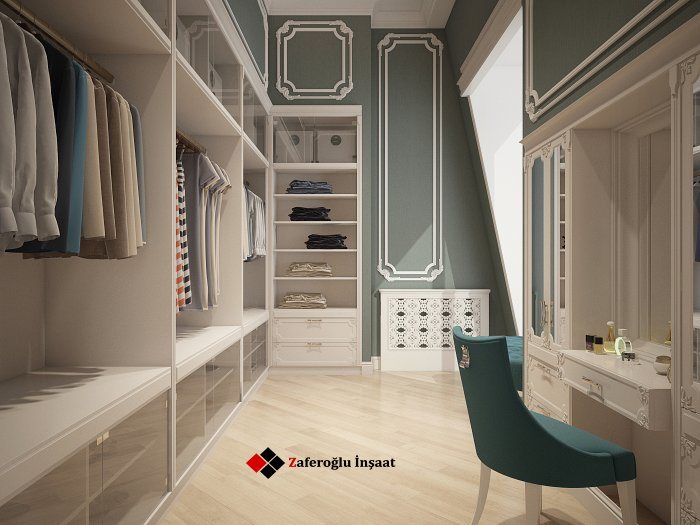
Planning a Walk-In Wardrobe Room: Space, Ventilation, Light
A walk-in wardrobe is more than rails and shelves: without planning aisle width, layout shape, ventilation, lighting, mirror and sockets it quickly becomes a storeroom.
Read more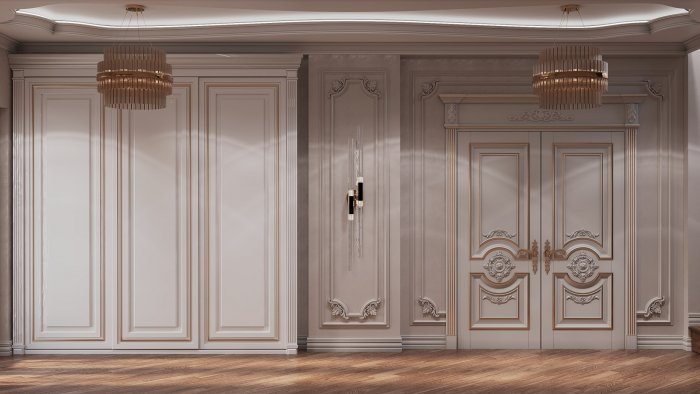
Gypsum vs Cement Plaster: Which One for Which Room
Gypsum plaster gives a smooth, quick-drying surface in dry rooms, while cement plaster is more durable in damp areas, on facades and in basements. The choice depends on the room and the finish.
Read more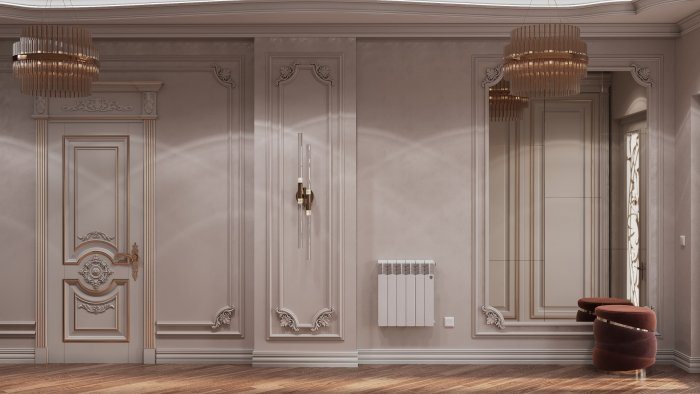
Plastering to Guide Beads: How Walls Are Made Straight
Plastering to guide beads is the technique used to make walls plumb and flat. Stages: survey, preparation, setting beads, applying plaster and inspection.
Read more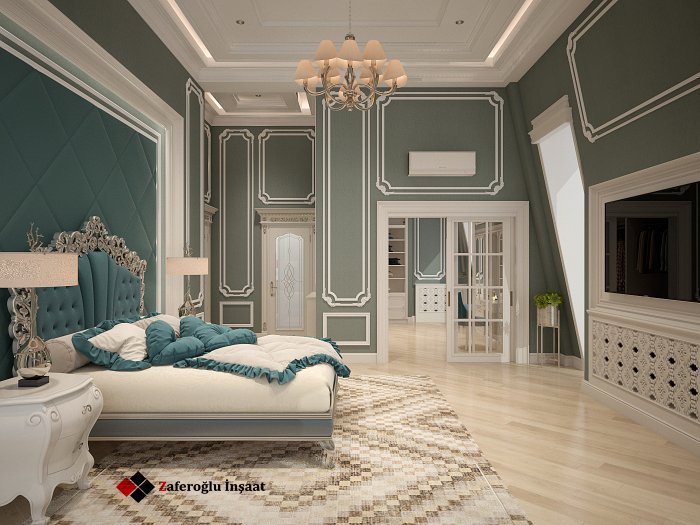
Why Plaster Cracks: Drying, Thickness and Mistakes
Plaster cracks usually result from fast drying, overly thick coats, poor preparation, incompatible materials or movement in the substrate. The type of crack points to its cause.
Read more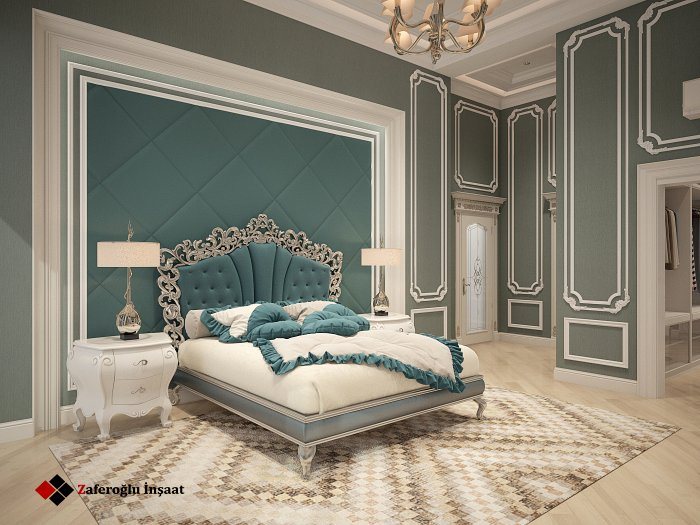
Skim Coating: Base and Finishing Layers
Base and finishing fillers do different jobs: one corrects the surface, the other creates a smooth ground for paint. Differences, sequence and inspection.
Read more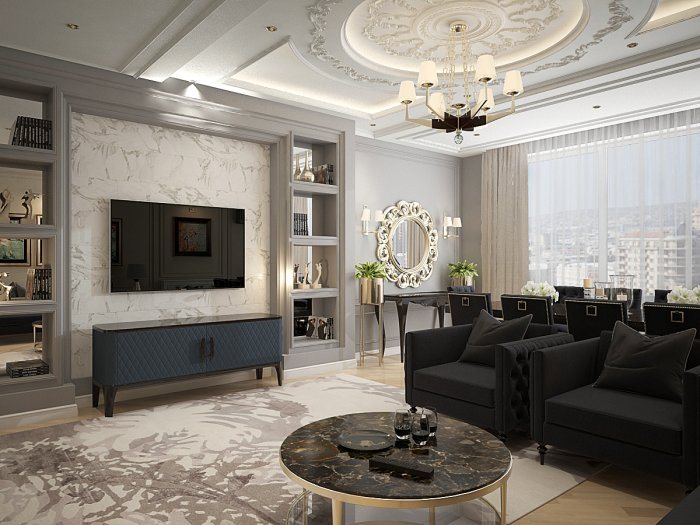
Choosing Wall Paint: Matt, Satin and Washable Finishes
A paint’s sheen affects both how a wall looks and how easy it is to maintain. Where matt makes sense, and where satin or washable paint is the better choice.
Read more
Why Primer Matters: Preparing Surfaces Before Painting
Primer governs how well paint bonds, how even the colour looks and how much paint you use. Types of primer, when it is essential and how to check readiness.
Read more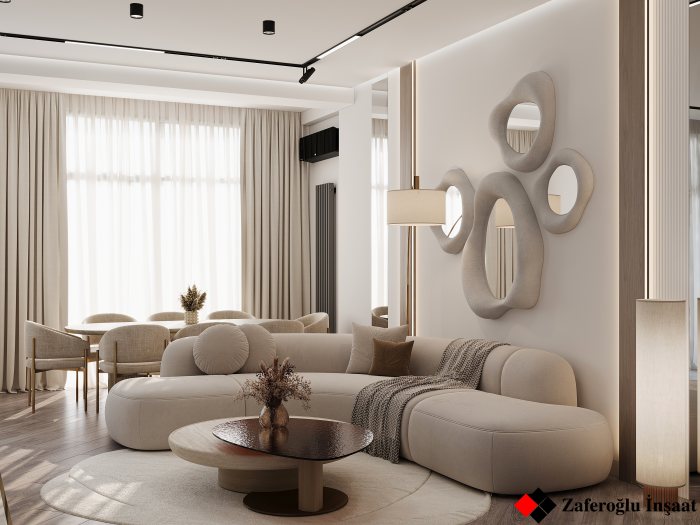
Types of Decorative Plaster: Venetian, Microcement, Textured
Venetian plaster, microcement and textured finishes differ in look, durability and the skill they demand from the applicator. How to compare them.
Read more
Wallpaper: Types and Preparing Walls for Hanging
Paper, non-woven, vinyl and textile wallpapers differ in durability and in the wall preparation they need. A comparison of types and steps before hanging.
Read more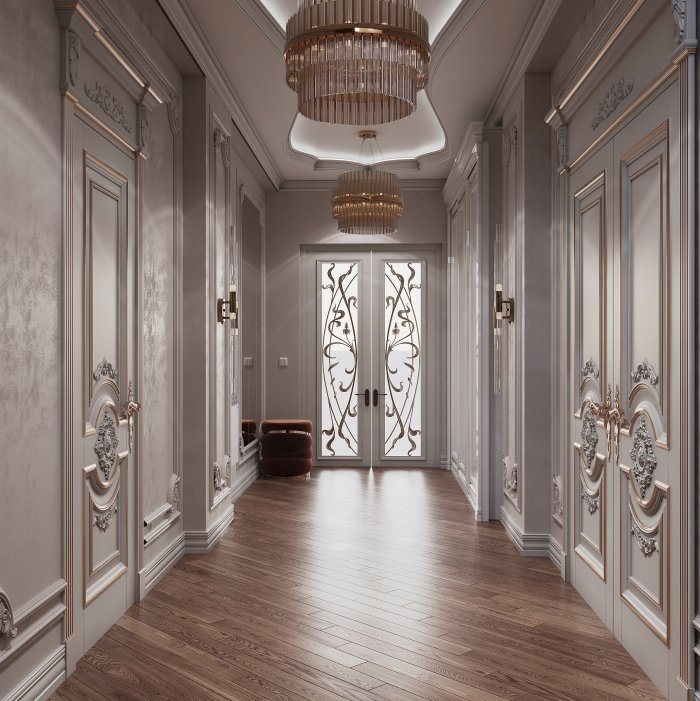
Wall Mouldings: Materials, Proportions and Placement
Mouldings give a wall classical rhythm or a modern frame, but only when their size and position are right. Materials, proportion rules and installation order.
Read more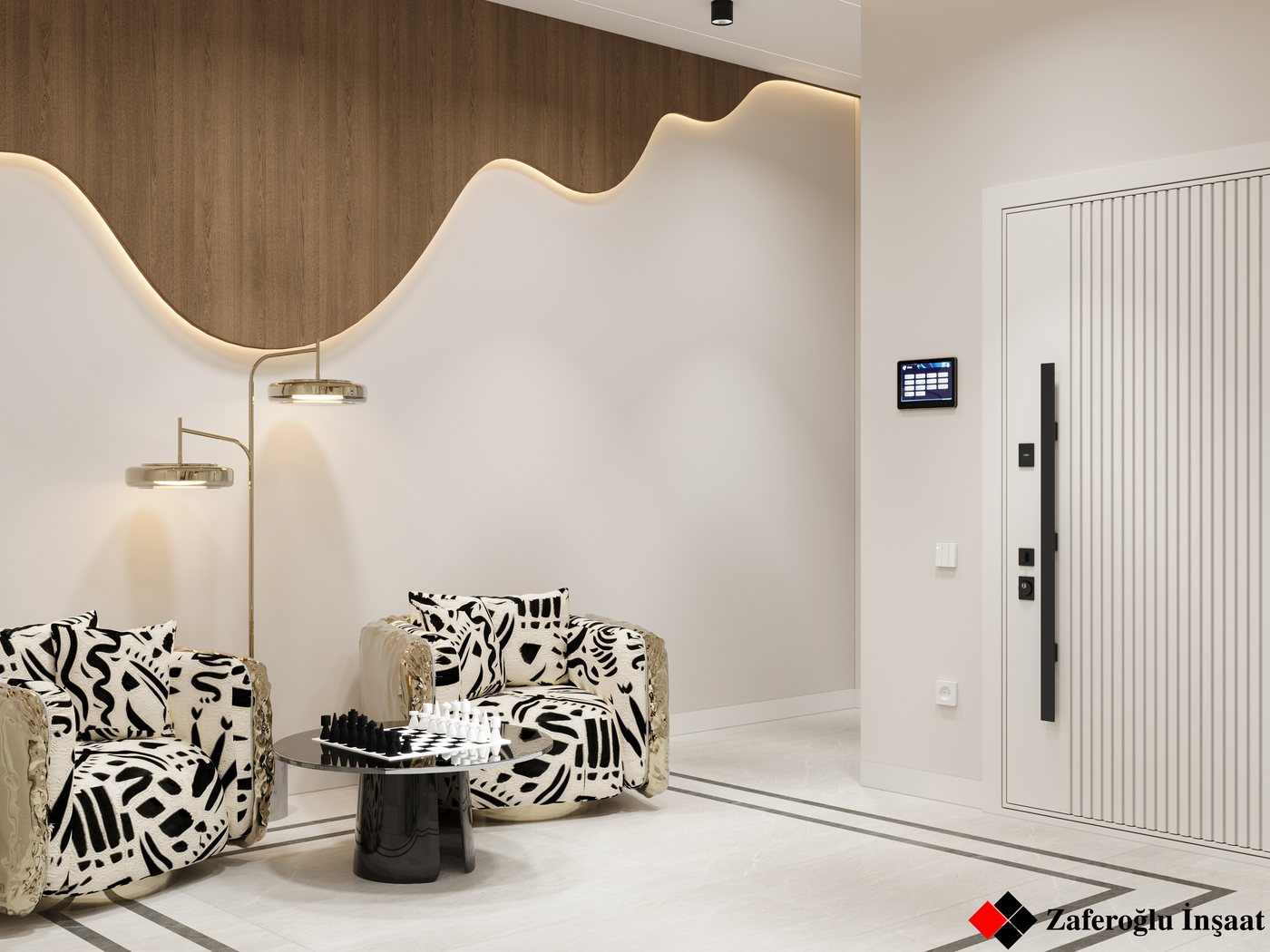
Plasterboard Partitions: Framing, Insulation and Strength
A plasterboard partition goes up quickly, but its sound insulation and load capacity depend on the frame, the board layers and fixings planned in advance.
Read more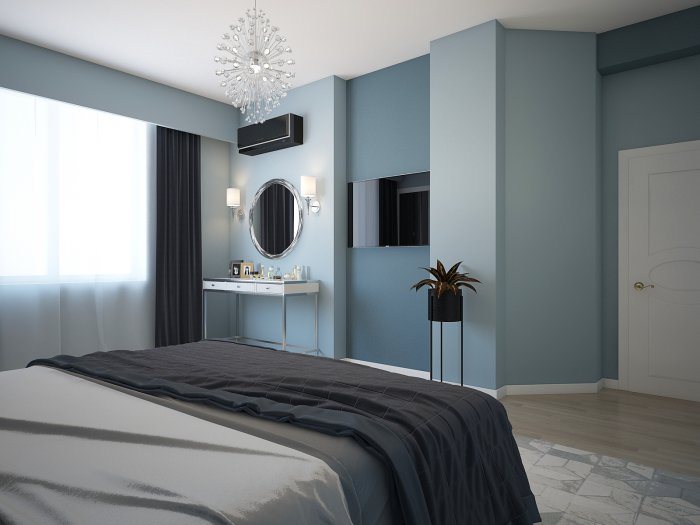
Damp and Mould on Walls: Causes and Fixes in Renovation
Mould is a symptom; the cause may be condensation, a leak or rising damp. How to find the source and fix the problem during renovation so it does not return.
Read more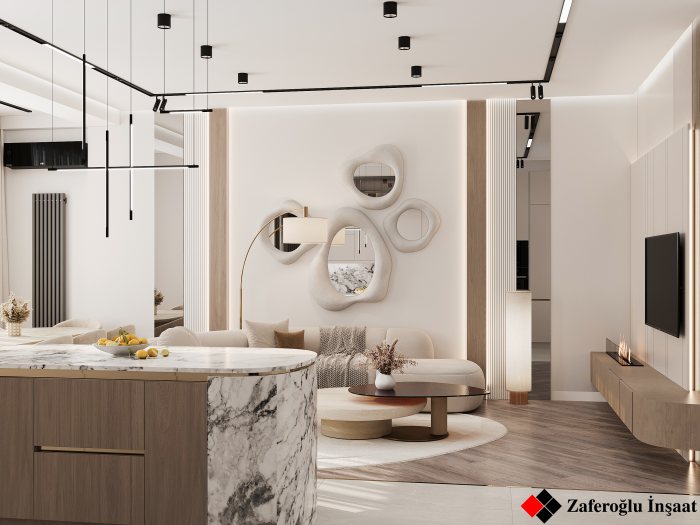
Marble and Stone Wall Cladding Indoors: Selection and Care
Marble, travertine, granite and onyx look and behave differently on a wall and need different care. Choosing the stone, its surface finish and the fixing method.
Read more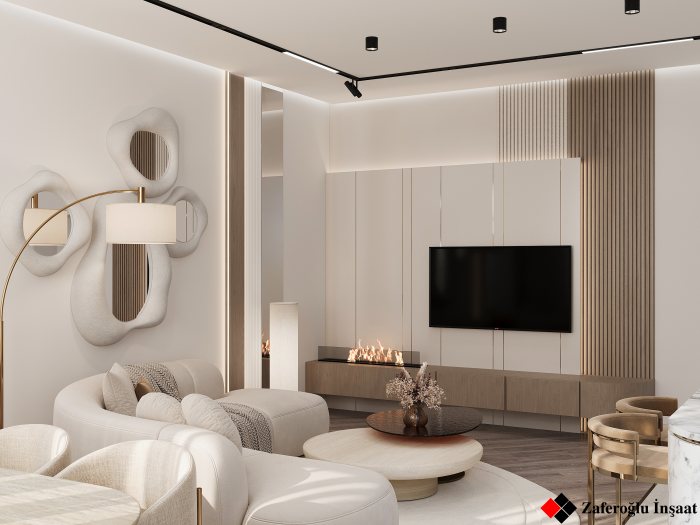
Wood Slat Wall Panels: Acoustics, Installation and Care
Slat panels bring warmth and rhythm to an interior and, when installed correctly, improve room acoustics. Where the acoustic effect comes from, how to fit them and care.
Read more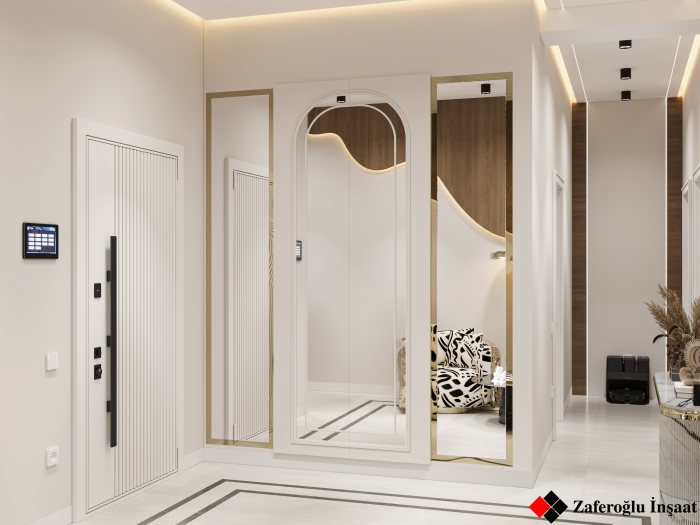
Straight, Protected Wall Corners: Beads and Finishing
Straight corners do not happen by chance: they come from corner beads, the right plastering sequence and extra protection where knocks are frequent. Options and checks.
Read more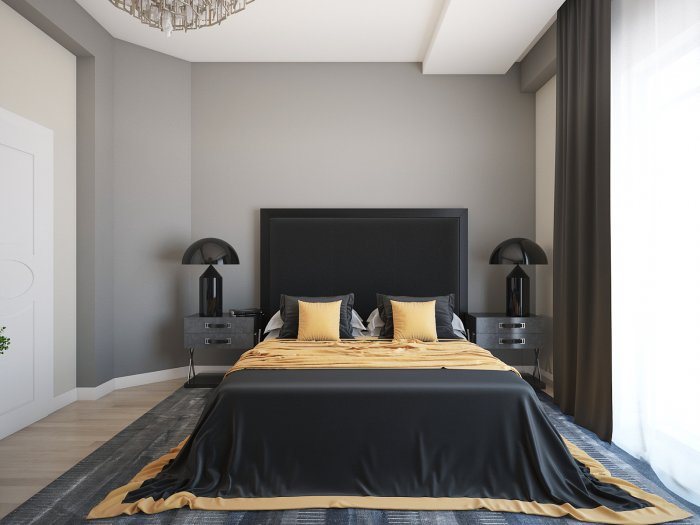
Common Mistakes When Painting Walls
Patchy colour, streaks, blisters and peeling paint usually come from preparation and application errors rather than the product. The most frequent mistakes and how to avoid them.
Read more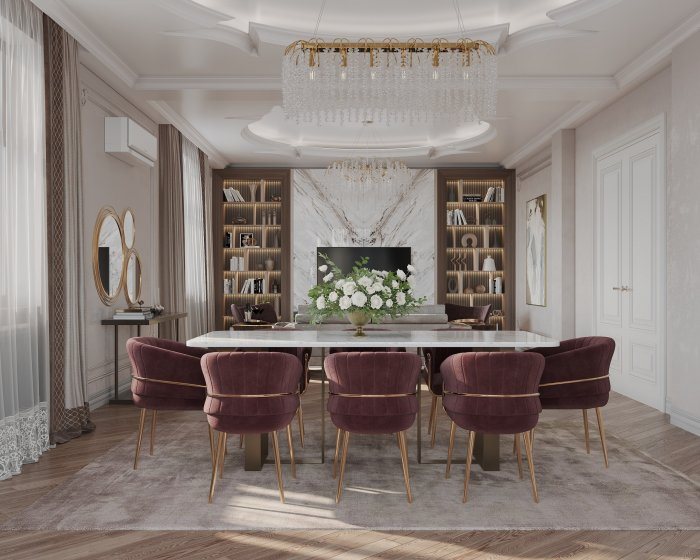
Wall Finishes for Wet Rooms: Tile, Paint or Panels
Not every part of a bathroom, shower or kitchen wall takes the same load. Where tile, moisture-resistant paint, panels or microcement make sense, and what must go beneath.
Read more
Stripping Old Wall Finishes: Wallpaper, Paint and Plaster
How to test and strip old wallpaper, paint and weakened plaster, and how to decide which layers can stay and which must come off.
Read more
How to Check Walls Are Level and Plumb
Which tools to use and how to measure flatness, plumb and corners when accepting walls after plastering and skim coating.
Read more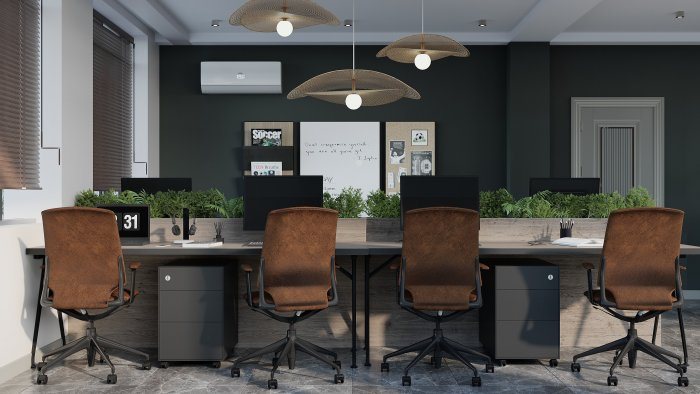
Durable Wall Finishes for Offices and Commercial Spaces
Which finishes and protective details keep walls in busy offices, corridors and commercial areas from wearing out quickly.
Read more