

News

Measuring for Curtains: Width, Drop and Fullness
Curtains are measured not from the window but from the track and the look you want. Fullness determines the width, and the relationship to the floor determines the drop.
Read more
Curtain Track Types: Ceiling, Wall and Concealed Profiles
The track determines how curtains hang, how they open and close and whether a room looks taller. The choice between wall, ceiling and concealed profiles also depends on the renovation stage.
Read more
Blackout Curtains in the Bedroom: When You Need Them
Blackout curtains help control early sunrise, streetlights and daytime sleep. Full darkness, however, depends not only on the fabric but also on the track and the edges.
Read more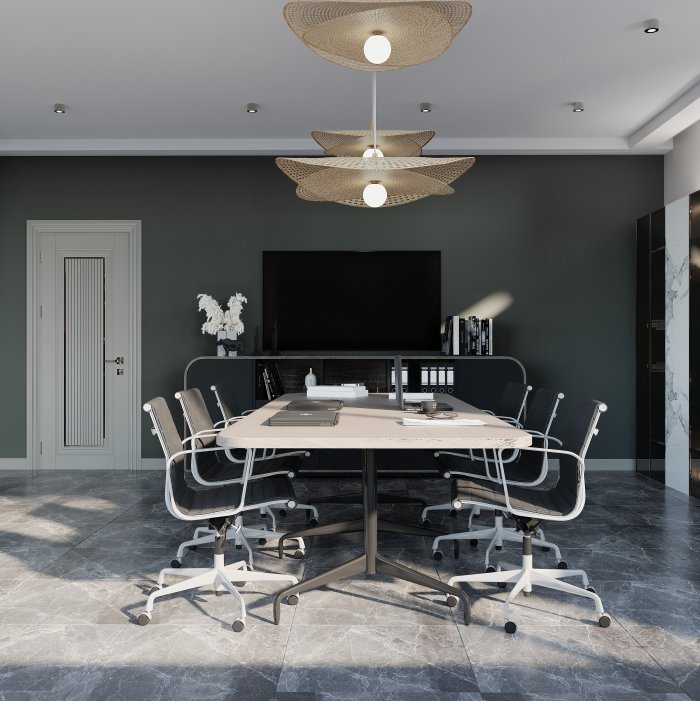
Roller and Venetian Blinds: Where They Beat Curtains
Roller and venetian blinds take little space, control light precisely and are easy to clean. In kitchens, studies, offices and over furniture they are often more practical than curtains.
Read more
Roman Blinds: Features and the Interiors They Suit
A Roman blind is a flat fabric panel that folds up in horizontal pleats. It combines the softness of fabric with the compactness of a roller blind and suits small windows especially well.
Read more
Motorised Curtain Systems: Preparing During Renovation
Motorised curtains can be added later, but if wiring, niche size and fixings are not planned during renovation, walls and ceilings get opened up again. The key preparation steps.
Read more
Curtain Colours and Patterns: Matching the Interior
Curtains are one of the largest fabric surfaces in a room, and their colour shifts with the light. How to handle tone, pattern scale and testing samples in the real room.
Read more
Window Treatments for Panoramic Windows
Floor-to-ceiling glass gives a great view, but sun, glare, evening privacy and sliding doors call for a tailored solution. Planning tracks, stacking space and layers.
Read more
Curtains for a Child's Room: Safety and Practicality
In a child's room, choosing curtains starts with safety rather than colour: cords and chains, secure tracks, small decorative parts. Sleep, cleaning and a growing child come next.
Read more
Curtain Care: Washing, Dust Protection and Ironing
How long curtains last depends on how you wash them and how you keep dust off in between. Separate care rules for labels, fabric types, linings, roller blinds and Venetians.
Read more
Curtain Decor in Classic Interiors: Pelmets, Tiebacks, Fringe
In a classic interior a curtain is not one piece of fabric but a composition of pelmet, tiebacks, fringe and pole. Ceiling height, proportion and restraint all need to be right.
Read more
Minimal Curtains for Modern Interiors: Wave Pleats, Clean Lines
In a modern interior the curtain does not seek attention; it works as an extension of the wall. How wave pleats, hidden tracks, the right length and quiet fabric create that effect.
Read more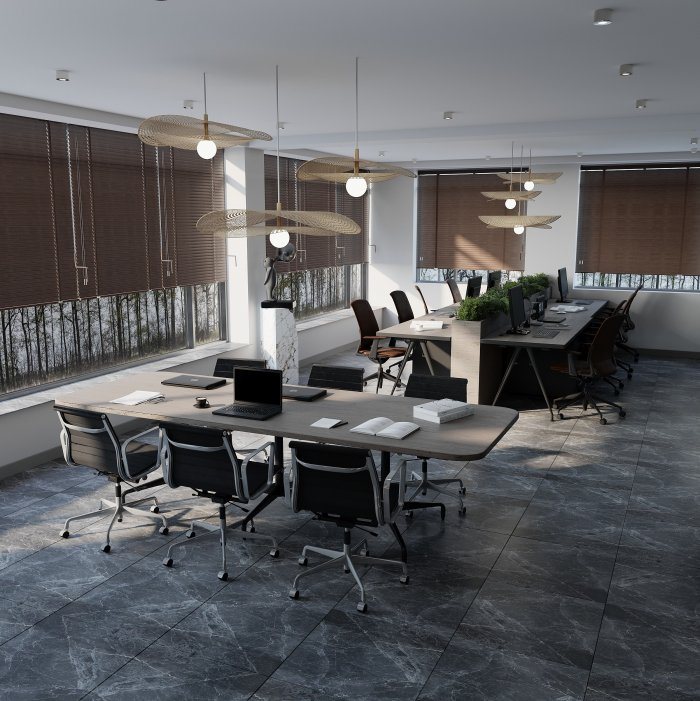
Window Treatments for Offices and Commercial Spaces
In offices, cafés and shops, window treatments work differently from home curtains: screen glare, privacy, fire safety, heavy daily use and a consistent facade all come into play.
Read more
Curtains and Heat: Reducing Losses Through Windows
A curtain creates an air layer between window and room, but how much it helps depends on how it hangs. Practical rules for keeping heat in during winter and blocking sun in summer.
Read more
Kitchen Window Treatments: Grease, Steam and Light
A kitchen window treatment has to cope with the nearby hob, greasy steam, splashes and sun on the worktop. Safe solutions that are easy to keep clean.
Read more
Curtains and Acoustics: Textiles That Soften Sound
Heavy fabric, generous folds and a gap from the glass reduce echo in a room. Knowing what curtains can and cannot do makes choosing them easier.
Read more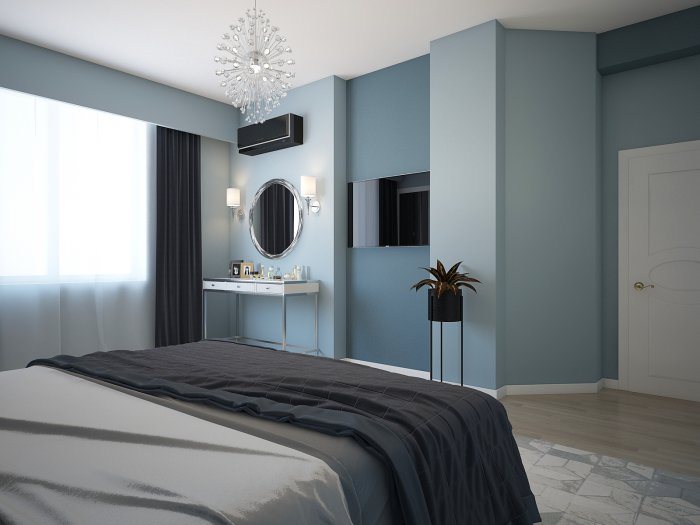
Upholstered Wall Panels: Use in Bedrooms and Media Rooms
Upholstered wall panels give a bedroom a comfortable headboard wall and a media room a sound-softening surface. Material, padding, fixing and fire safety need thought in advance.
Read more
Orienting a House to the Sun: Daylight and Heat Gain
How a house faces the sun decides how its rooms are lit, how they overheat in summer and how warm they stay in winter. It is settled in the first sketch and hard to change later.
Read more
External Wall Insulation: Mineral Wool vs EPS
Insulating a facade from outside protects the wall from heat loss and temperature swings. Mineral wool and EPS differ in fire behaviour, vapour permeability and installation.
Read more
Insulating Roofs and Attics
Warm air rises, so an uninsulated roof and attic lose heat in winter and overheat rooms in summer. Cold and warm attic schemes call for different solutions.
Read more
Energy-Efficient Windows: Glazing Units and Frames
A window is many times thinner than a wall, which makes it the weakest thermal point of a house. The right glazing unit, frame and installation together reduce that weakness a lot.
Read more
Thermal Bridges: Where They Form and How to Prevent Them
A thermal bridge is a spot where insulation is interrupted or the structure conducts heat more easily. Mould and condensation often start exactly there.
Read more
Solar Panels on a Private House: Roof and System Planning
The performance of solar panels depends on roof orientation, shading and how well the system fits the household's consumption. All of this is easier to plan before building or re-roofing.
Read more
Heat Pumps: Their Role in Heating and Cooling a Home
A heat pump obtains heat by moving it from air, ground or water rather than burning fuel. It heats in winter and cools in summer, and works best with good insulation and suitable emitters.
Read more